Overview
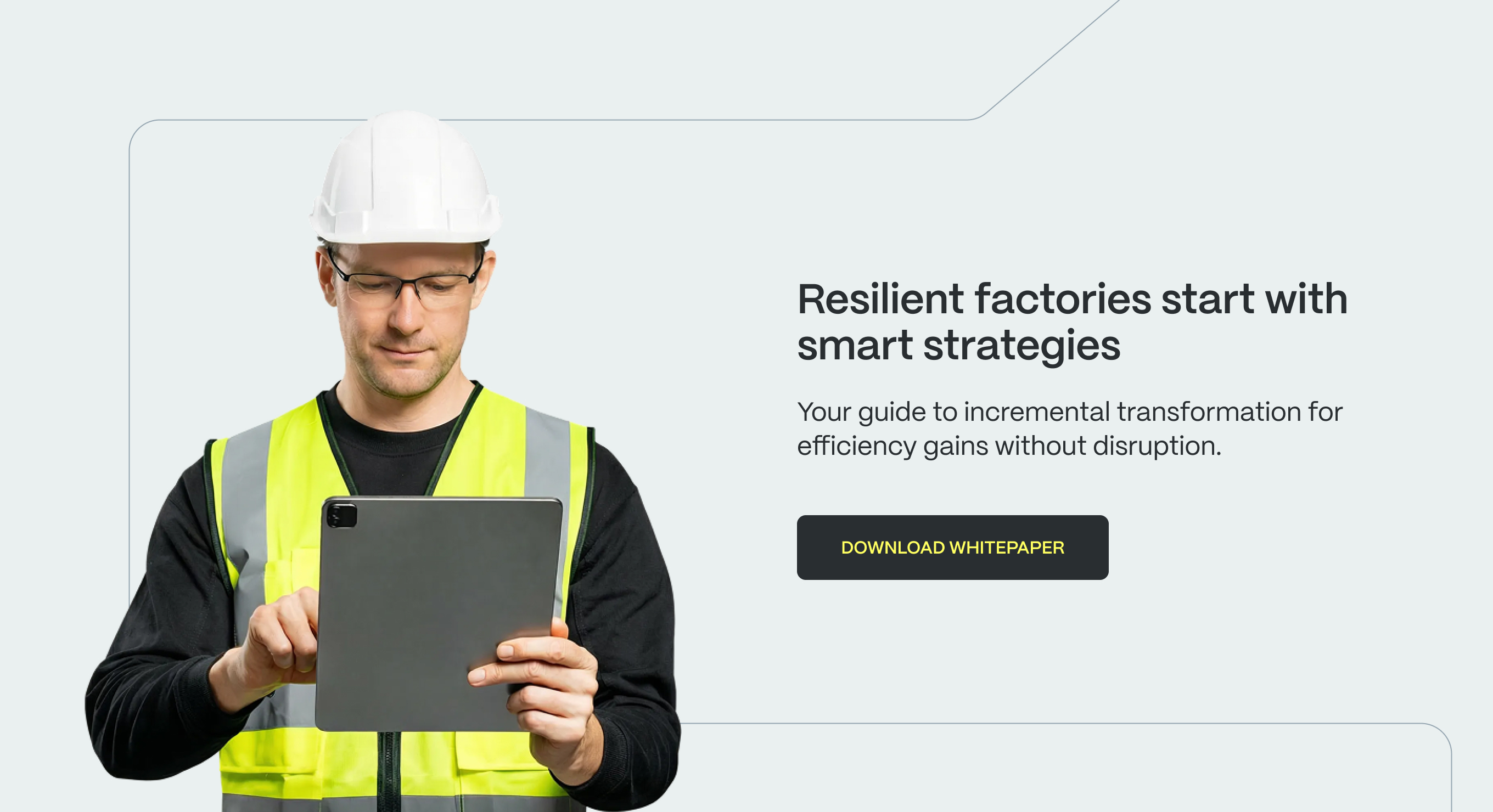
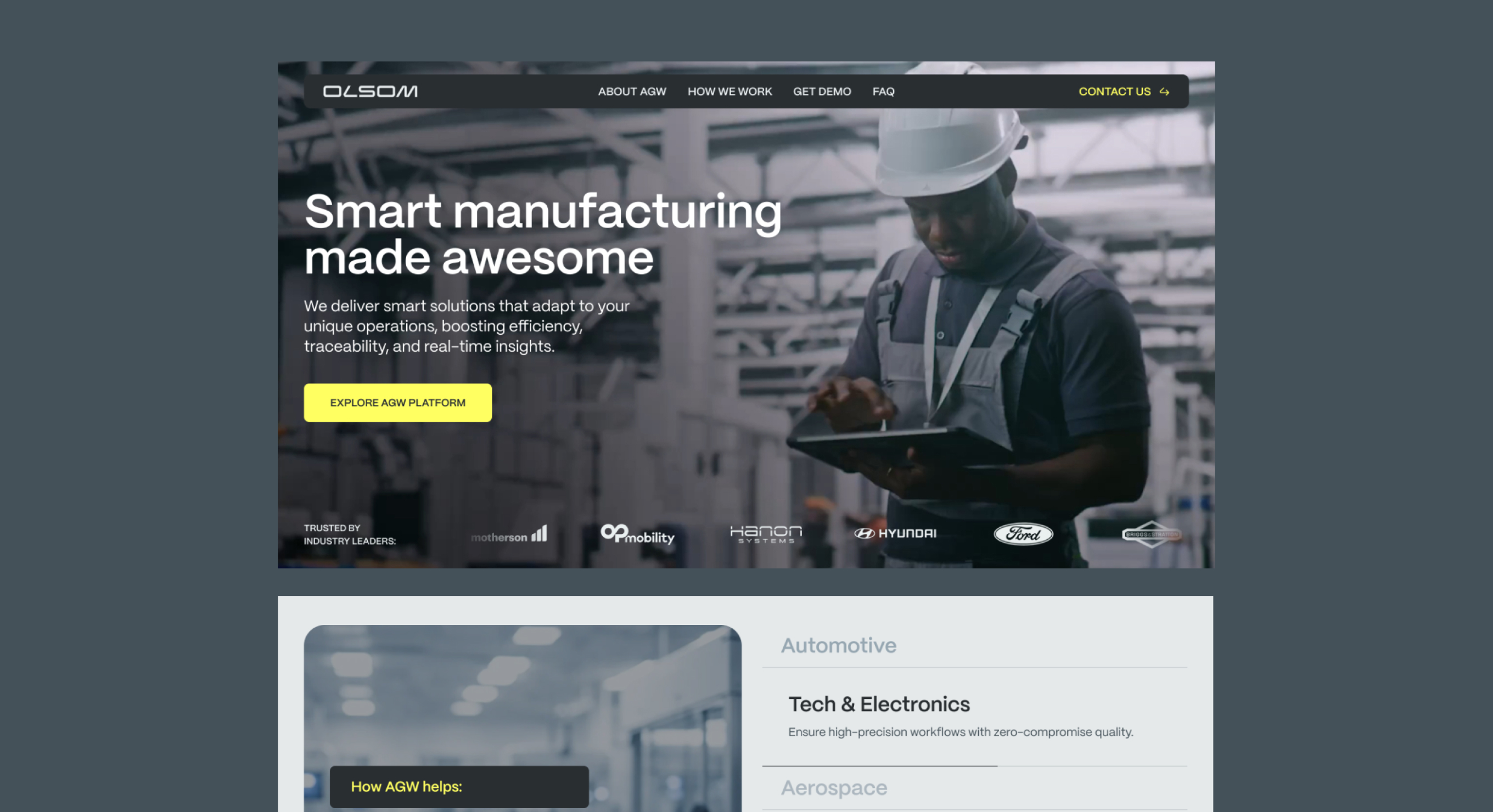
Olsom is a modular manufacturing workflow platform that helps industrial companies improve production visibility, traceability, and operational efficiency. The goal of the website was to present a complex B2B solution in a clear, structured, and engaging way for enterprise decision-makers.
Rather than explaining every technical detail, the website focuses on communicating the platform's value, flexibility, and implementation approach while guiding potential clients toward a consultation.
My Role
- Designing the website UI and page layouts
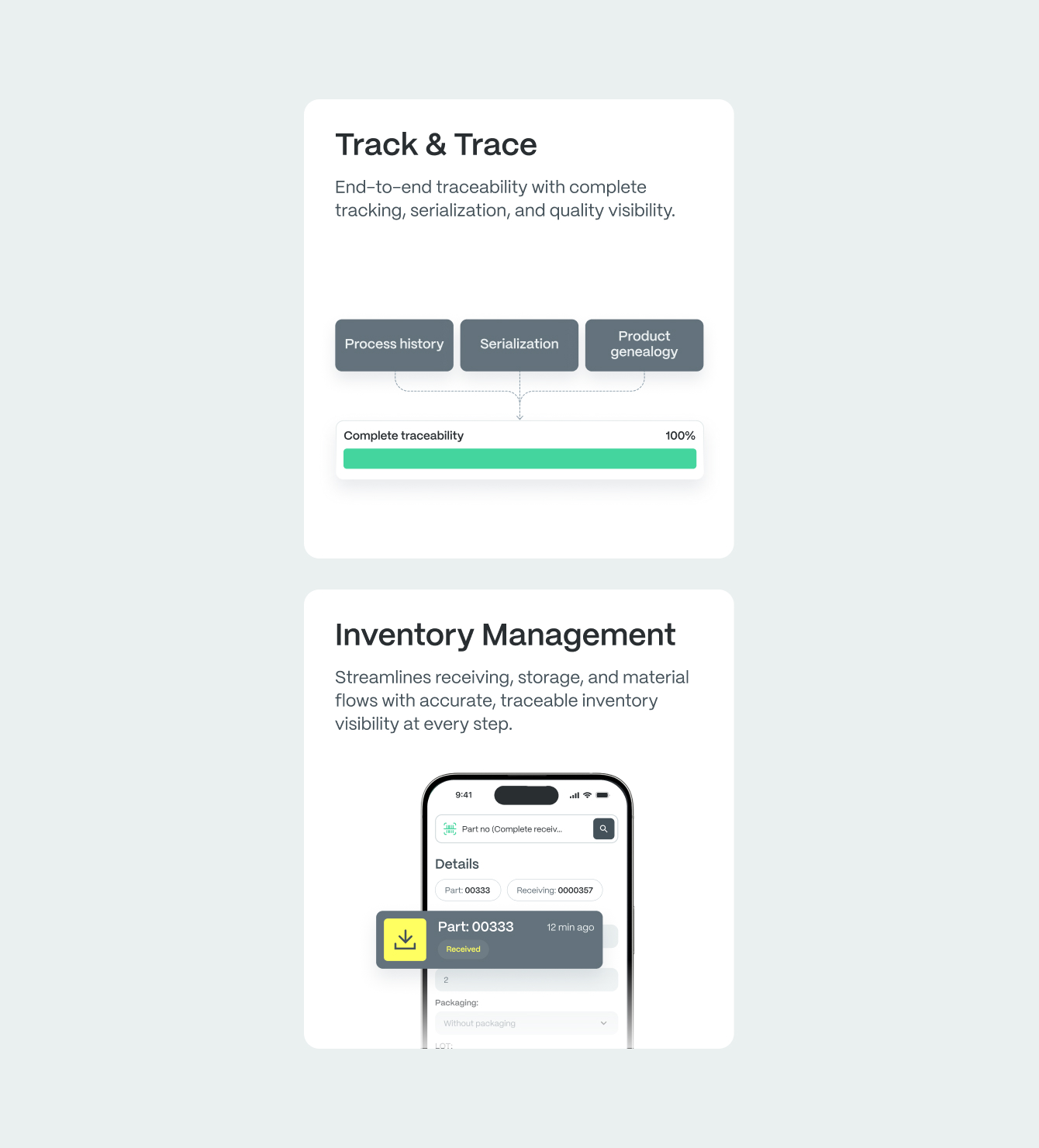
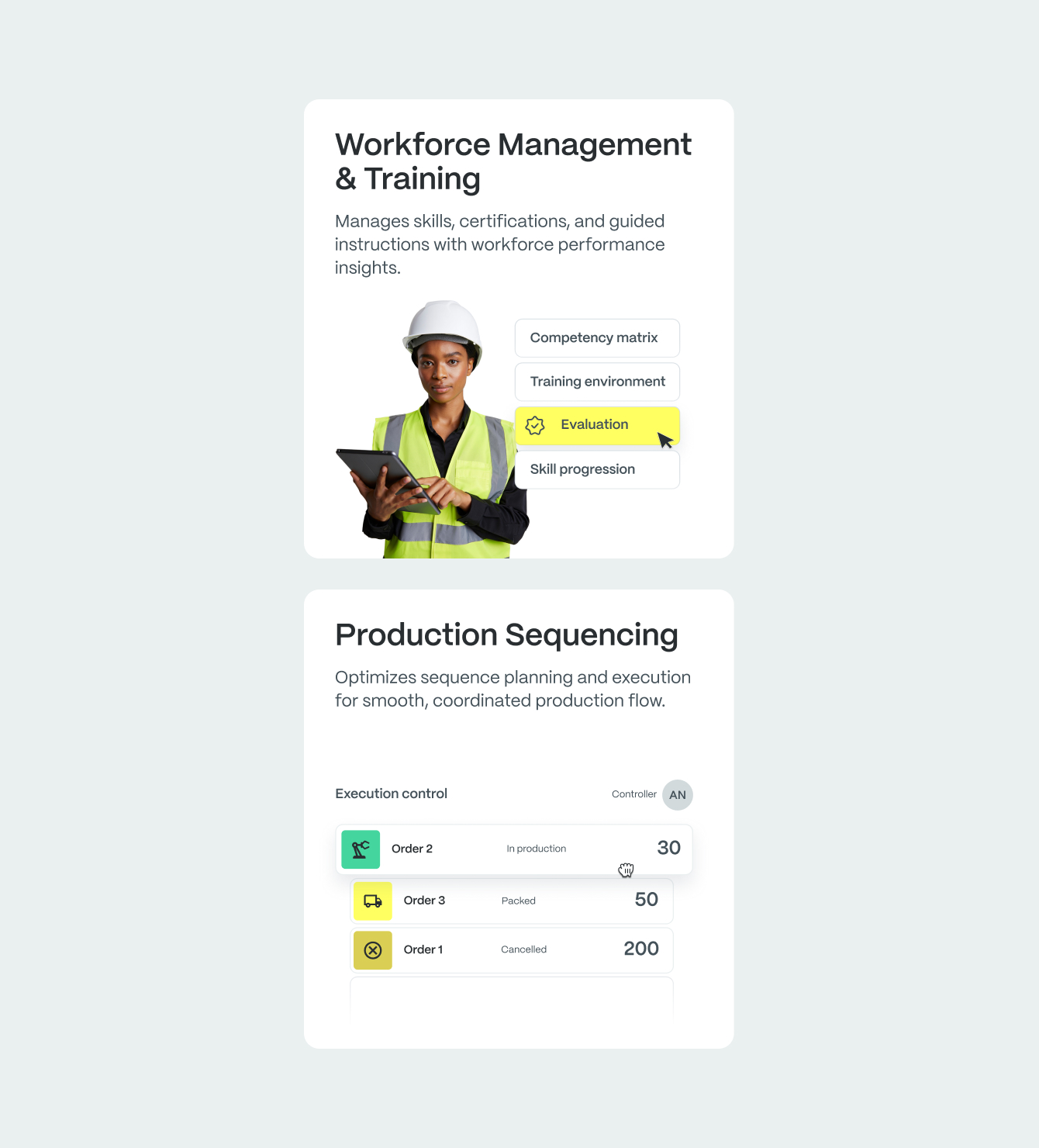
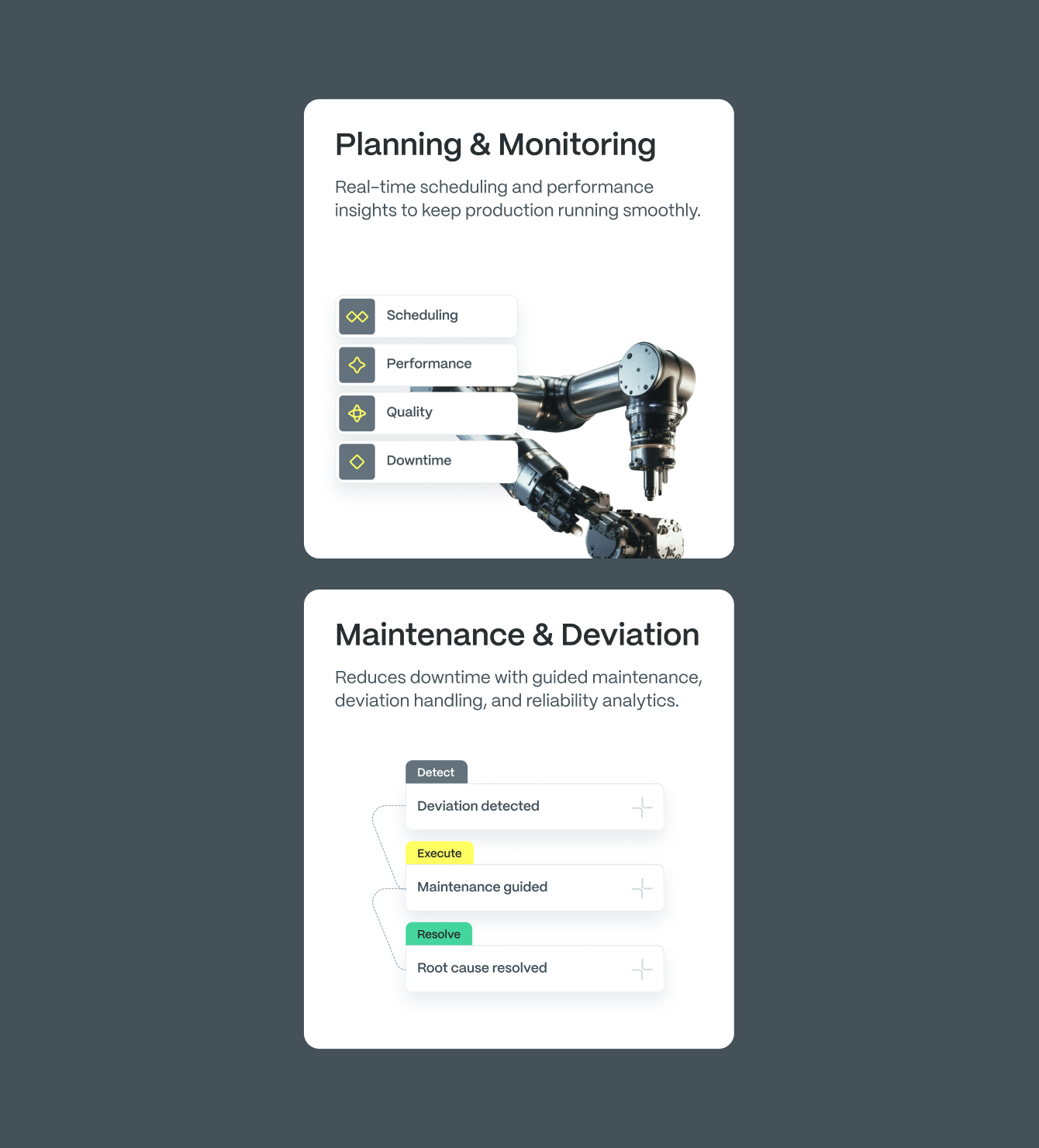
- Creating visual storytelling for product modules and workflows
- Designing reusable page templates and content blocks
- Defining website interactions and micro-animation concepts
- Creating a short motion teaser for the initial landing page
- Collaborating with the Webflow developer during implementation

Project Goals
Challenges
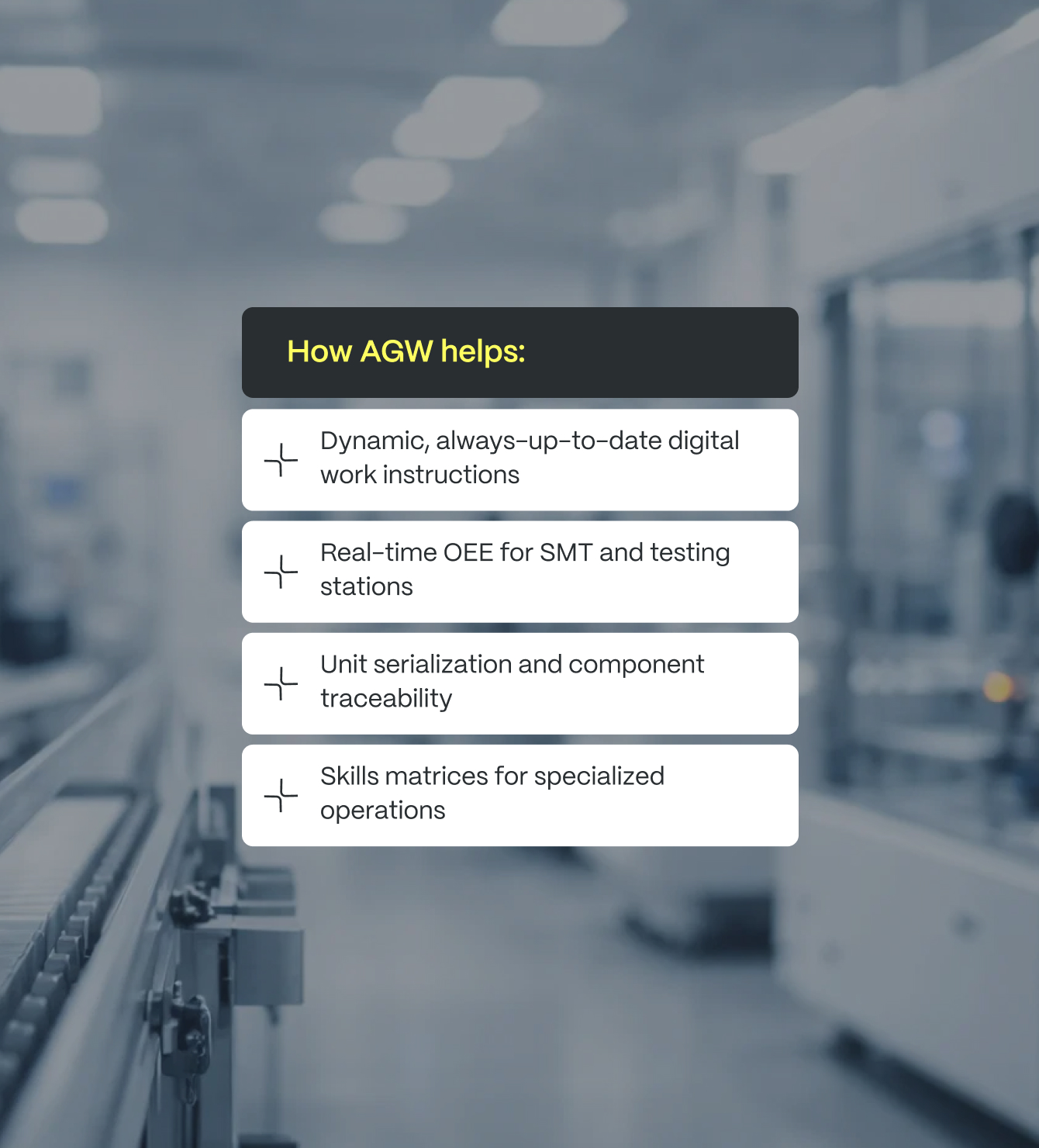
The biggest challenge was not understanding the manufacturing platform itself, but finding visual ways to communicate technical concepts quickly and clearly.
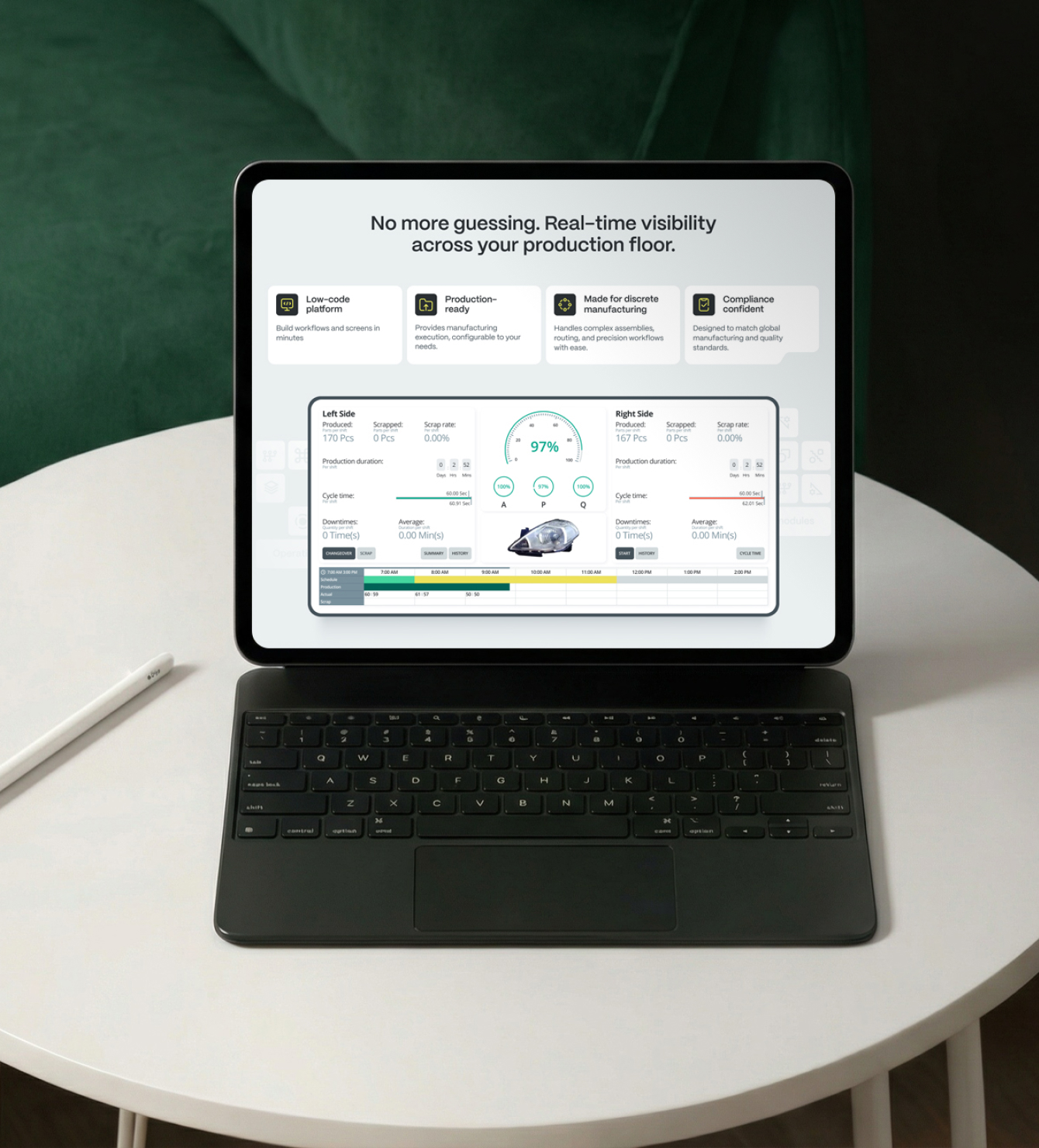
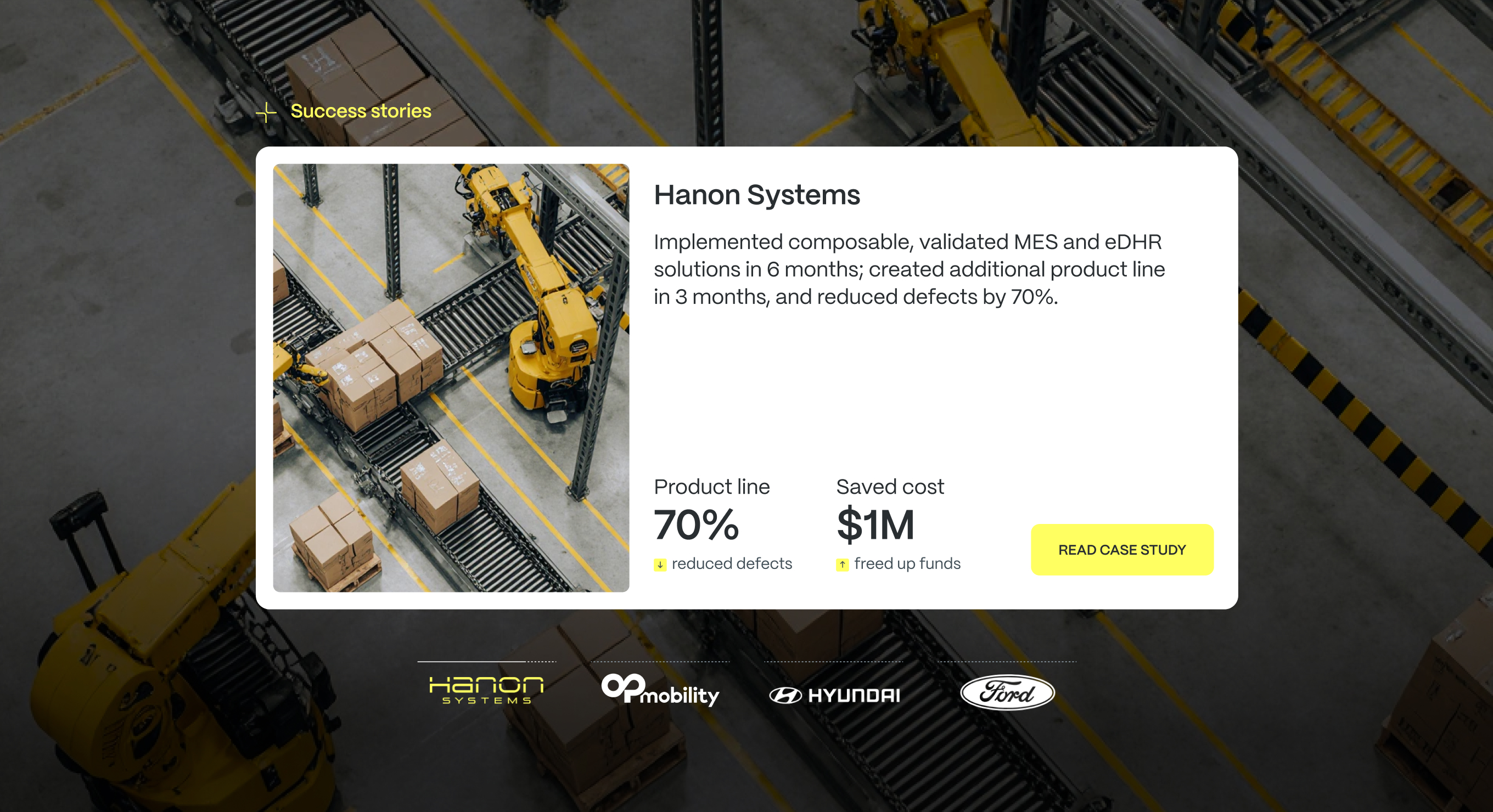
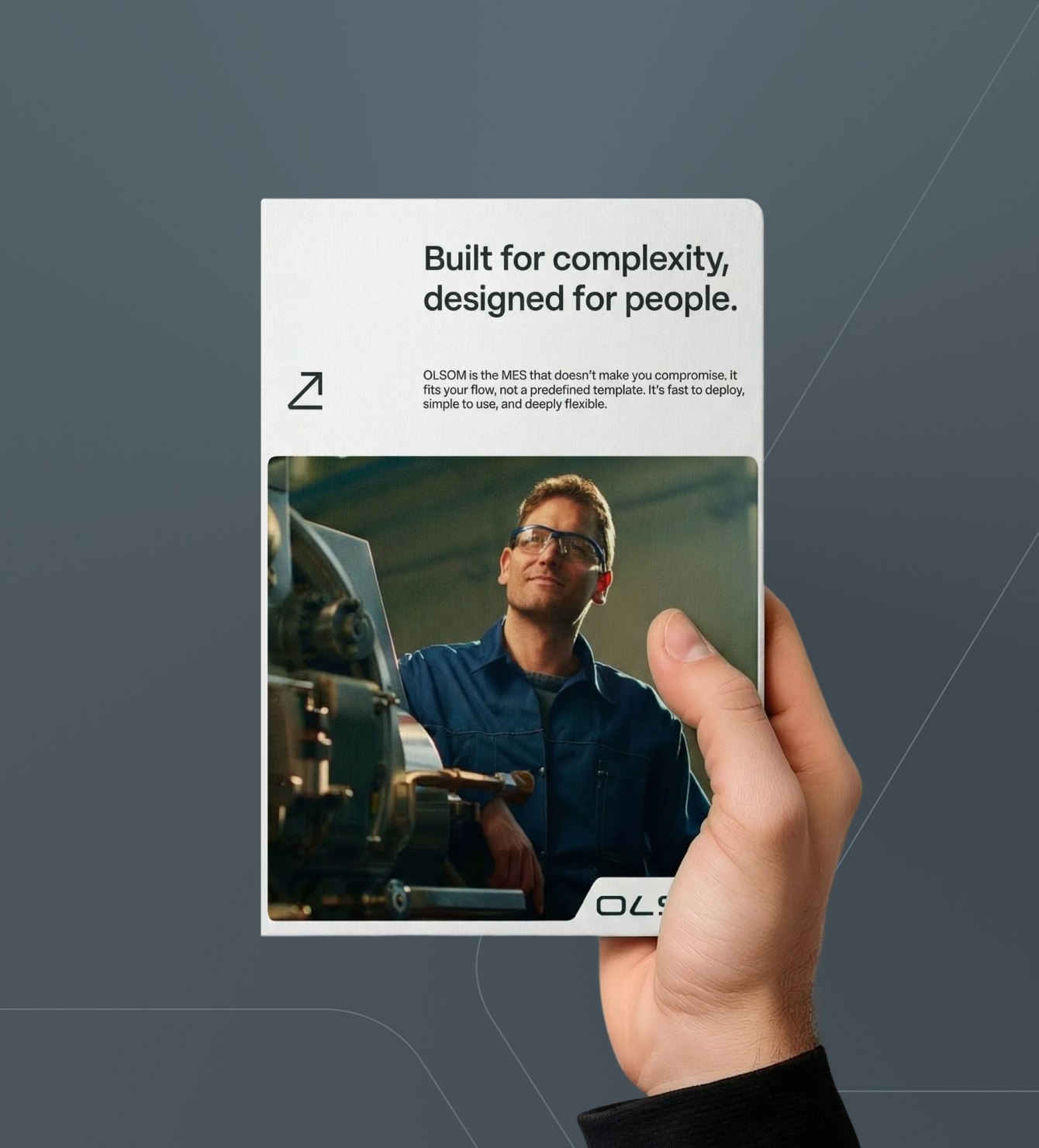
Industrial companies often have limited marketing assets, so many sections relied on custom layouts, interface-inspired graphics, and visual storytelling rather than traditional promotional imagery.
This project significantly improved my ability to simplify complex information through design.
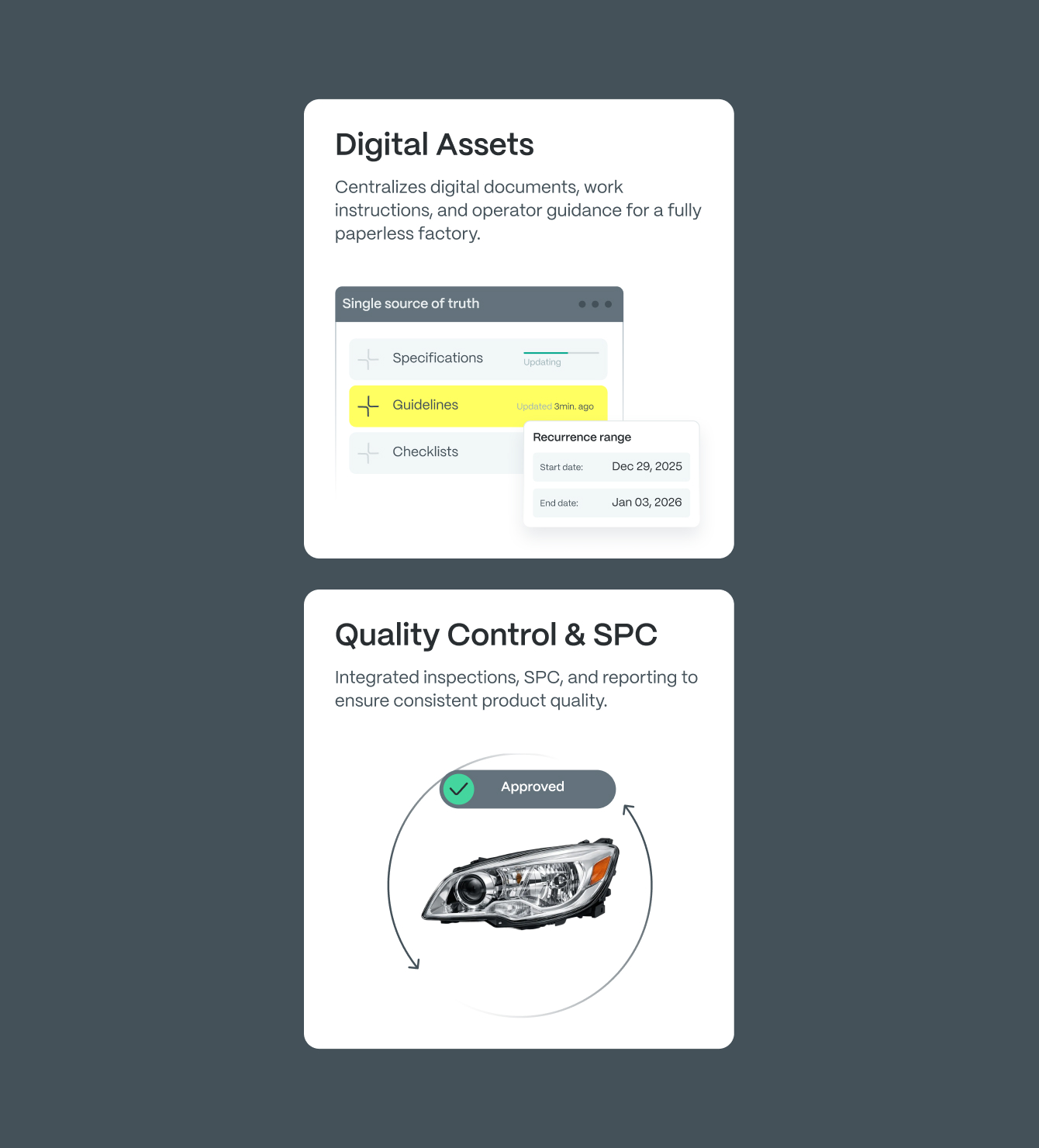
We first created a branded landing page and a short motion teaser that introduced the company's positioning and generated early interest while the full website was being developed.
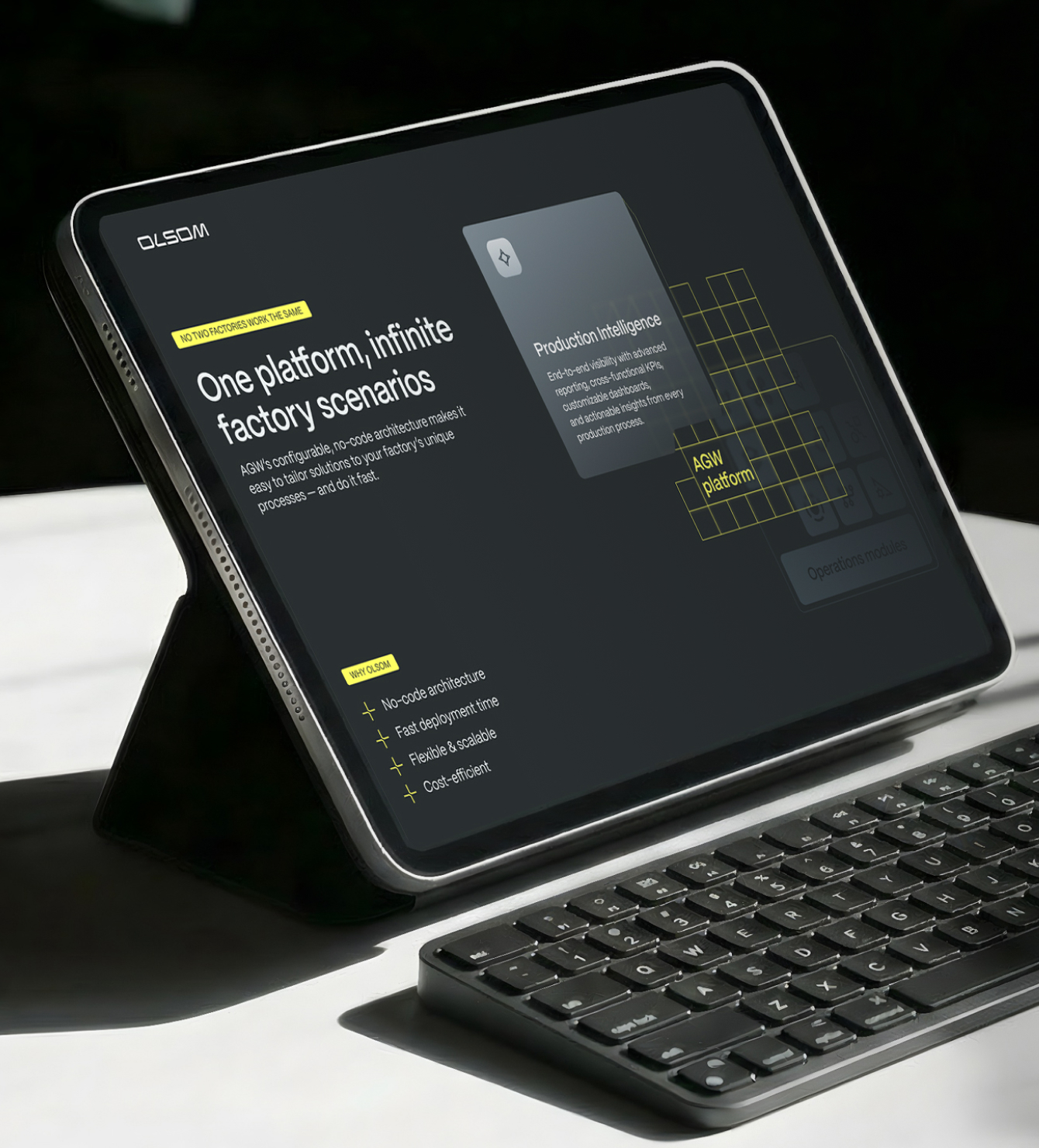
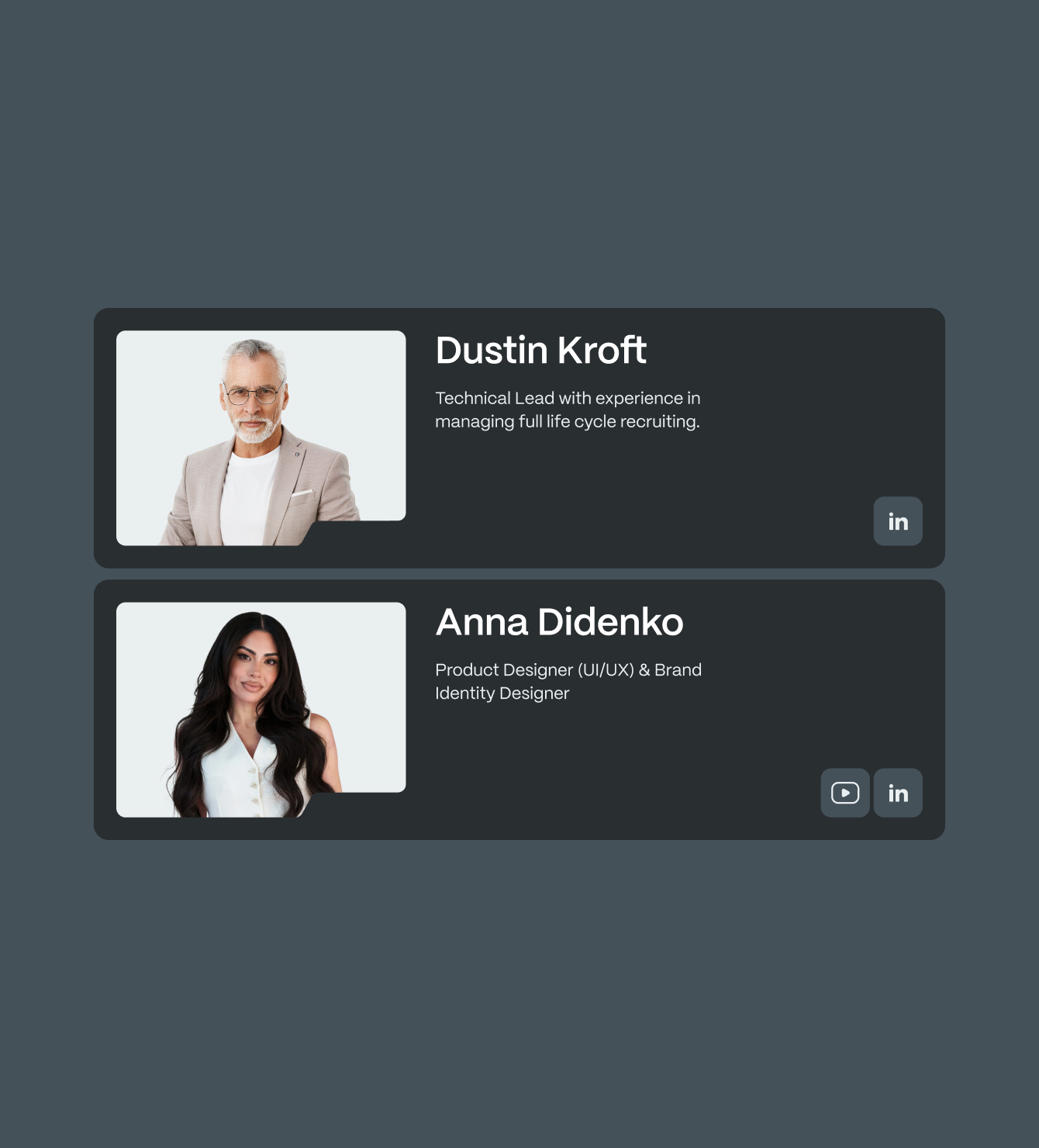
The homepage became the foundation of the entire experience. My goal was to organize a large amount of marketing content into a logical storytelling flow where every section had a clear purpose and visual identity.
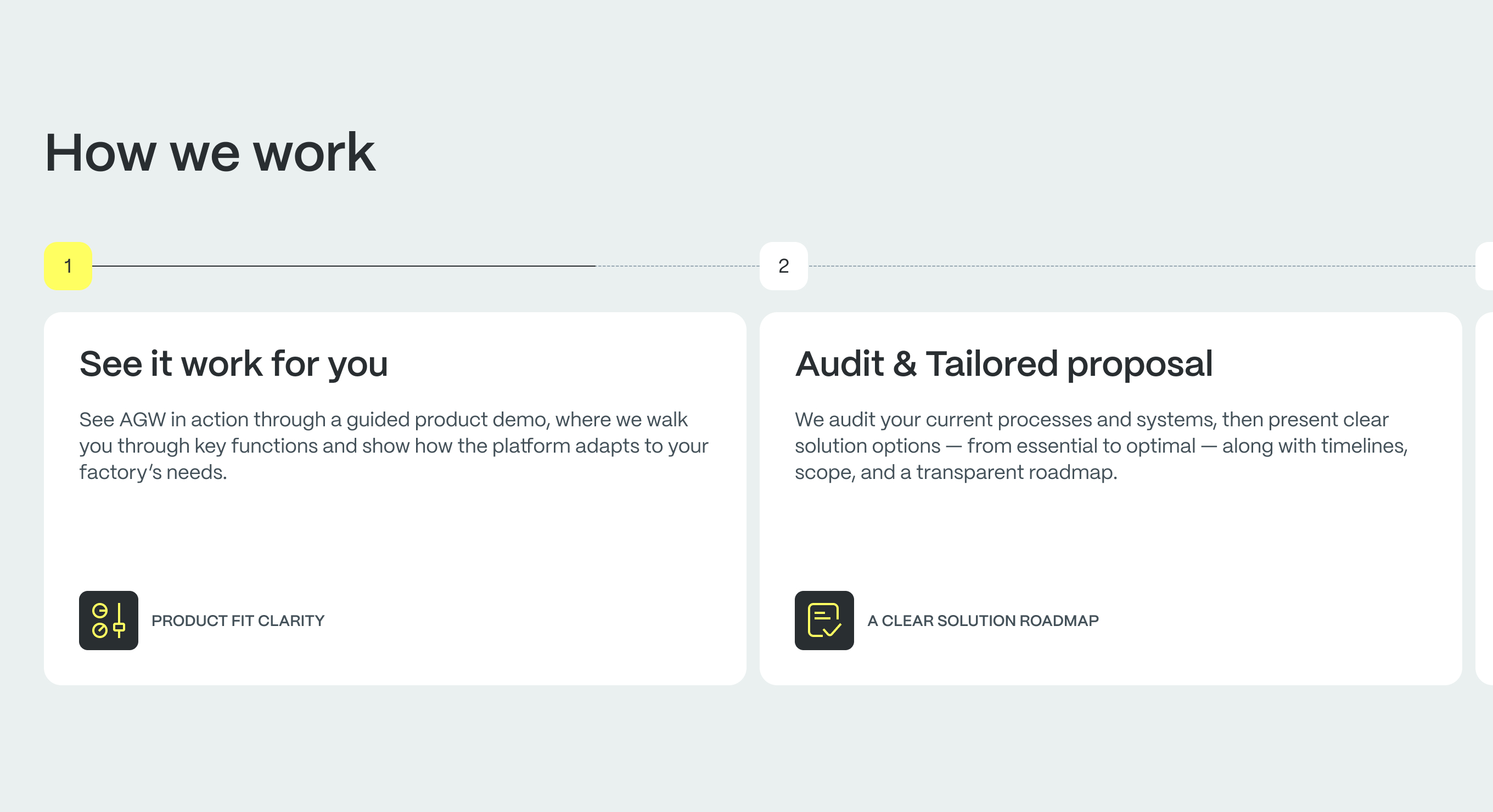
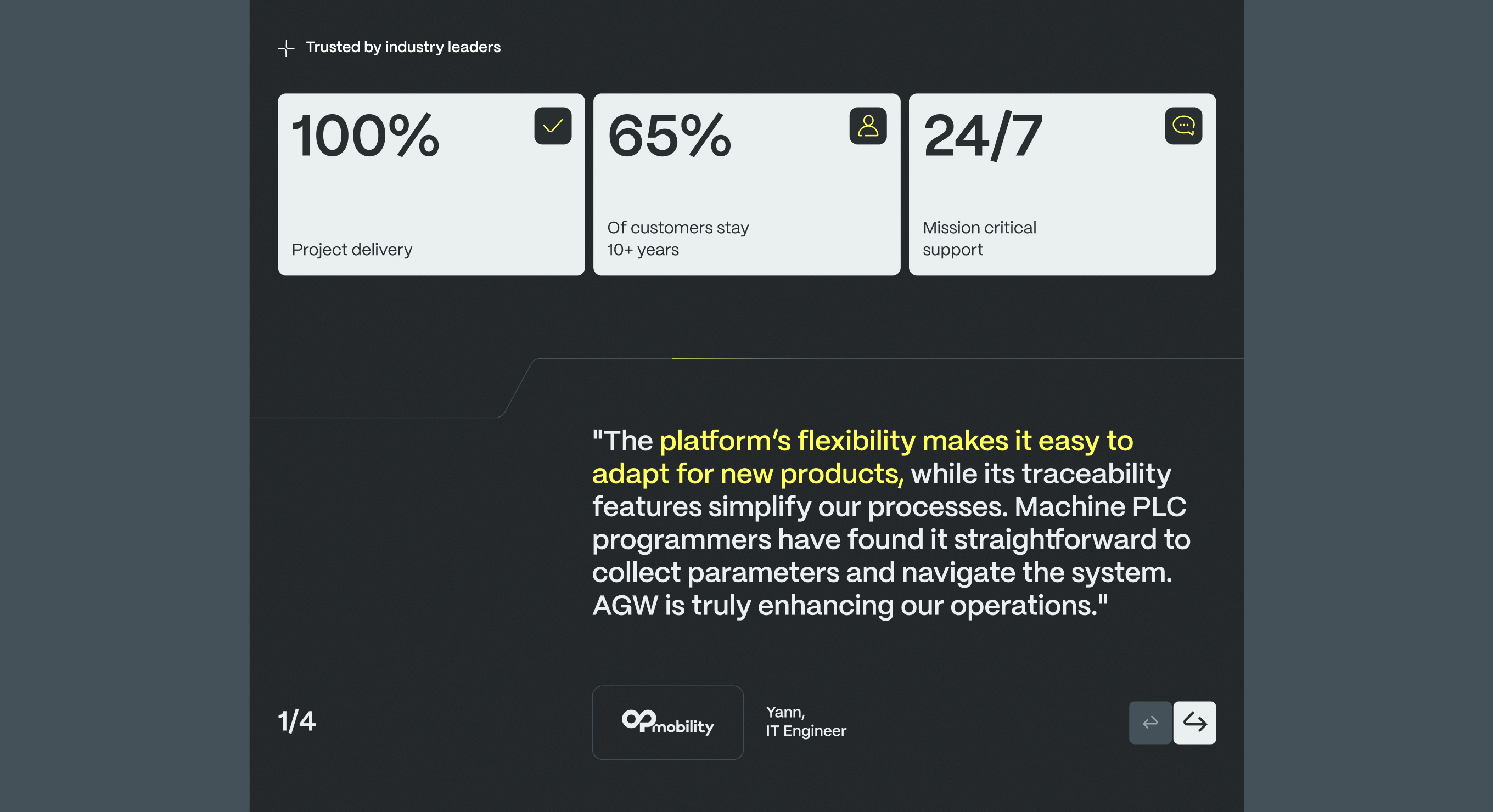
After the homepage was approved, I designed the remaining pages, including both unique layouts and reusable templates that could support future content without requiring redesign.
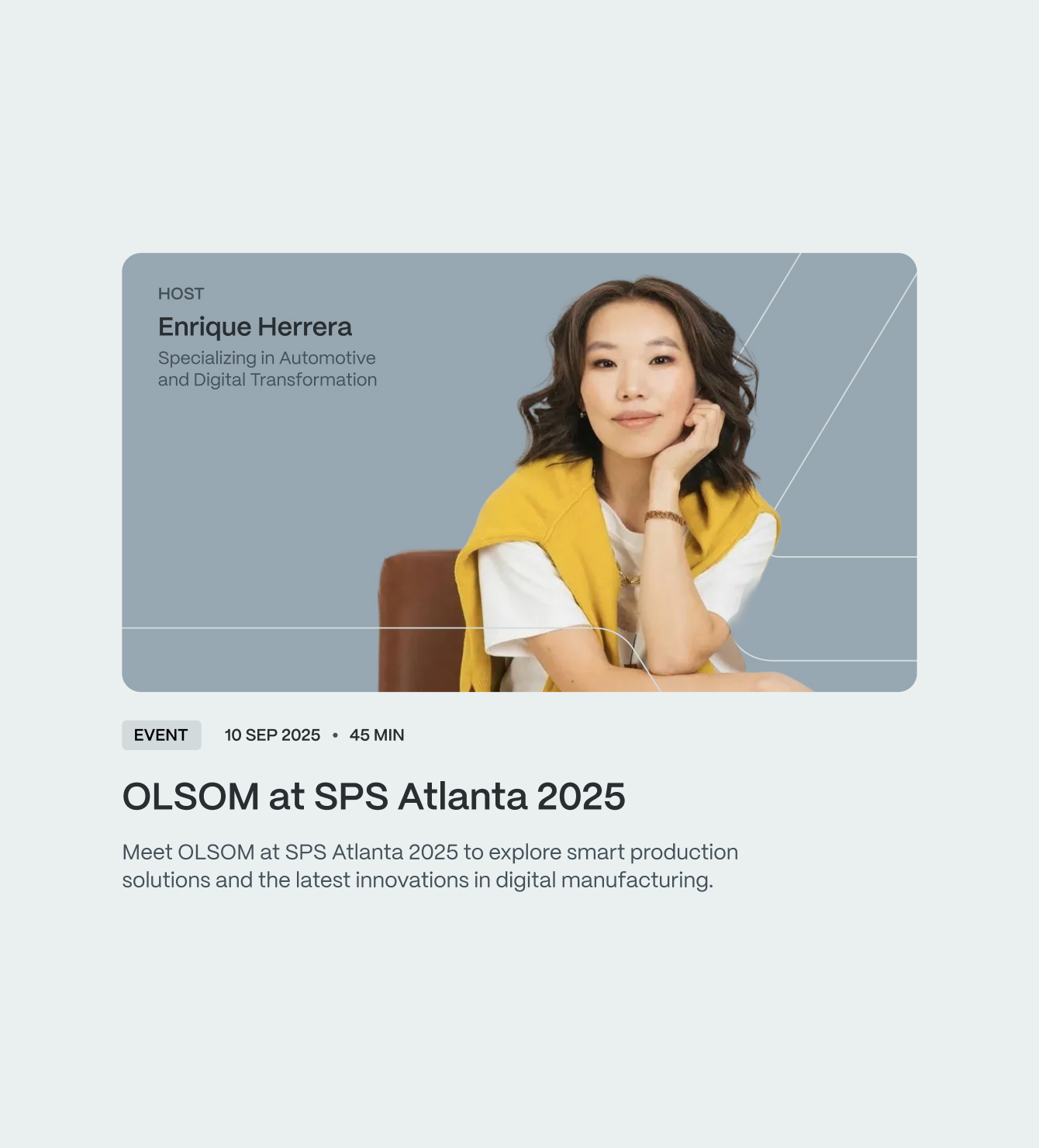
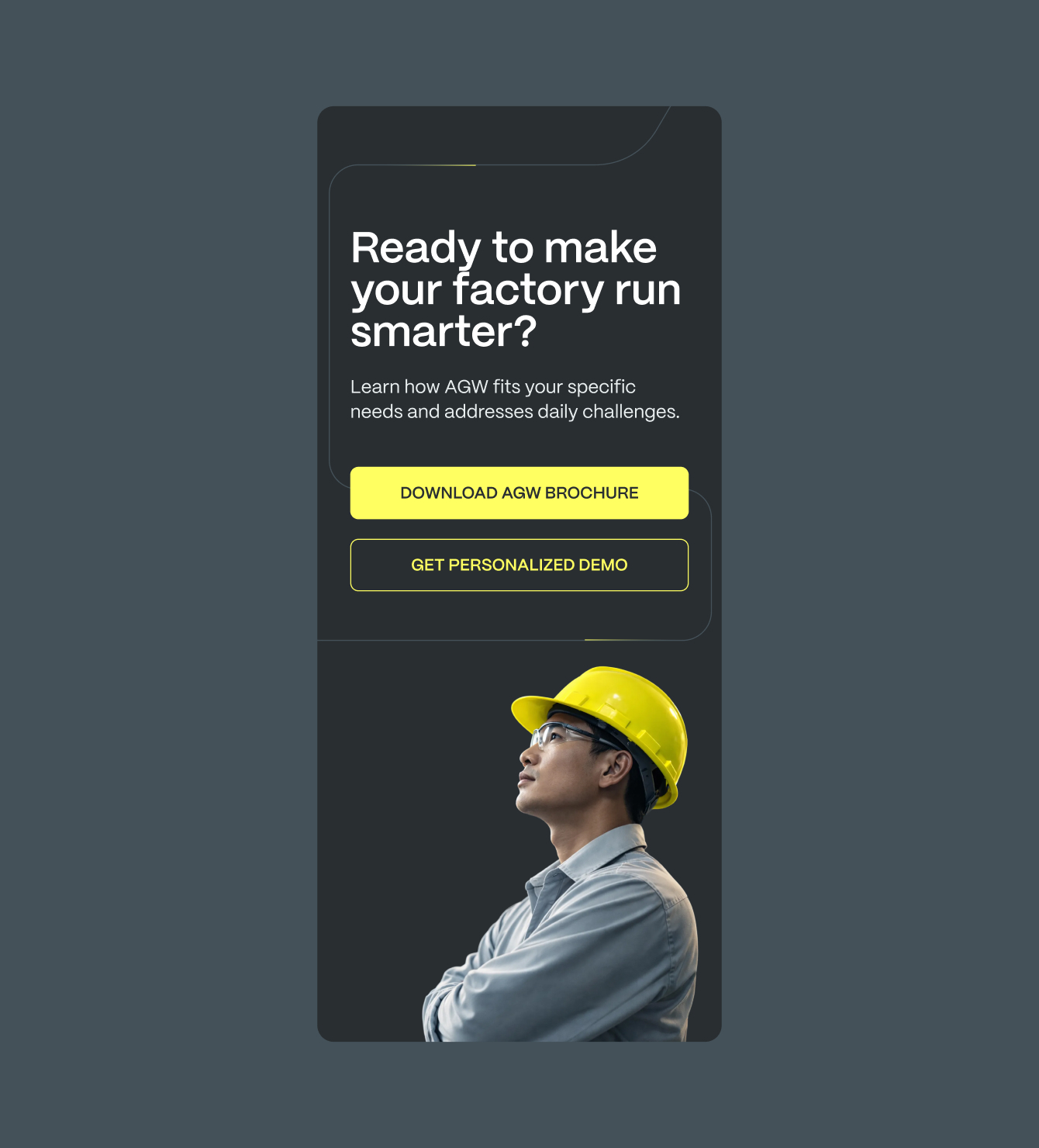
Collaboration
The branding and content strategy were developed by the creative and marketing teams. My role was to translate those foundations into a consistent digital experience by combining layout, hierarchy, illustration, interaction, and visual storytelling into one cohesive system.
I also collaborated closely with the Webflow developer, providing design specifications and interaction concepts to ensure the final implementation matched the intended experience.
Key Takeaway
One of my biggest takeaways from this project is that great B2B design is not about making interfaces visually complex — it is about making complex ideas feel simple.
When strong photography or marketing assets are limited, design itself becomes the storytelling tool through composition, graphics, hierarchy, and interaction.